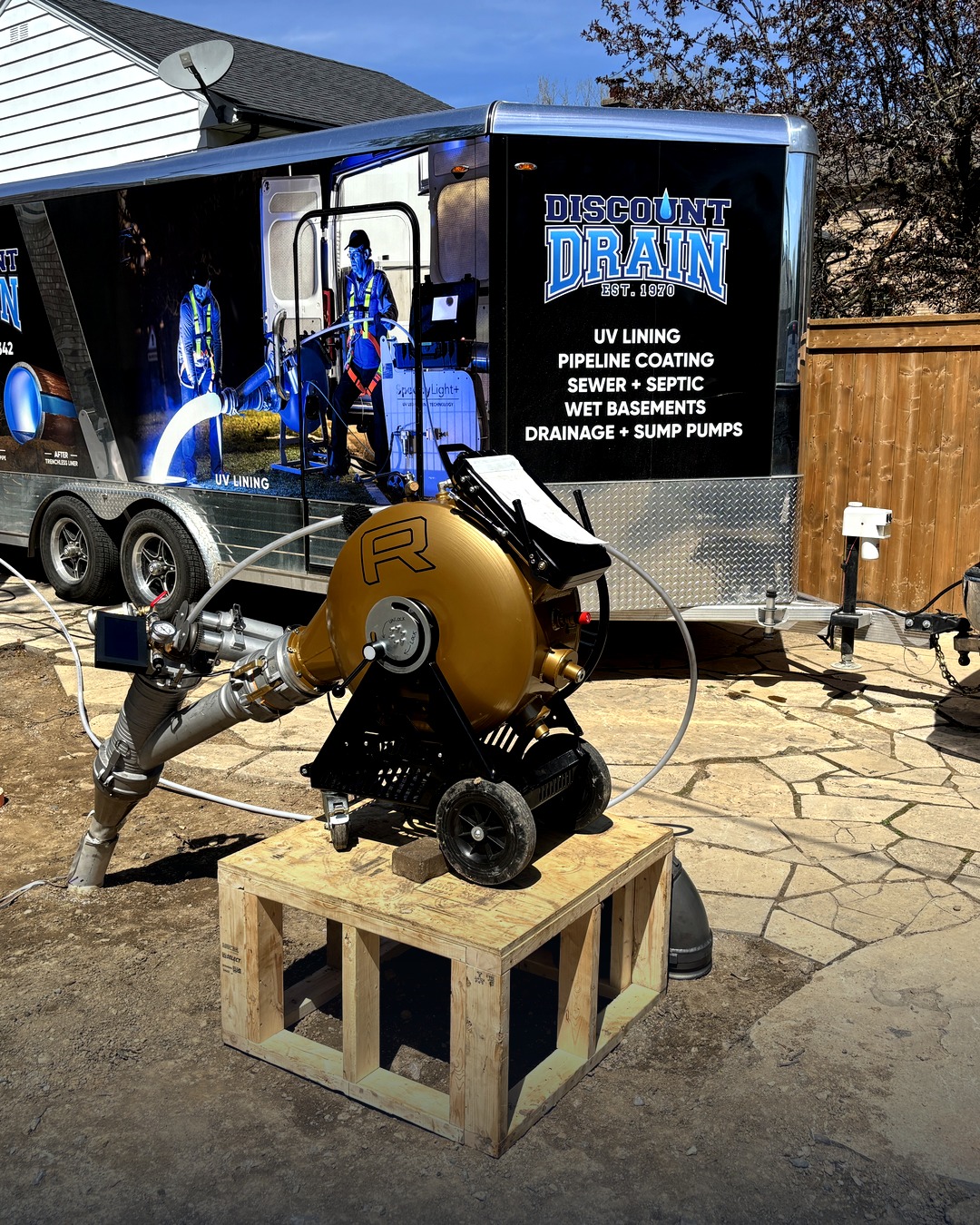
A sewer backup can damage a basement in hours. A collapsed sewer pipe can cost far more to repair. They are related problems, but home insurance often treats them differently. This London, Ontario guide explains sewer backup coverage, service line coverage, Private Drain Connections, claims, and the questions to ask before authorizing work.
The basement floor drain is bubbling. There is a smell you cannot ignore. Someone says, "Call insurance." Someone else says, "Call a plumber." Both may be right, but they are answering different problems.
That distinction is where many London homeowners get caught. A sewer backup can damage flooring, drywall, furniture, family photos, and the part of the home that took years to finish. A collapsed sewer pipe can be the reason it happened. One issue concerns the damage inside the house. The other concerns the underground line that now needs to be repaired.
Your policy may treat those two costs very differently.
Here is the plain answer: a standard home policy does not usually include sewer backup coverage. Many insurers offer it as an optional endorsement. A separate service line endorsement may help with a failed underground sewer pipe, but neither endorsement should be assumed. Your declarations page, your limits, your deductible, the cause of the failure, and the insurer's investigation decide the claim. The Insurance Bureau of Canada says sewer and drain backup is typically not covered by a standard policy, though optional coverage is available from most insurers.[1]
Do not let that answer make you freeze in the middle of an emergency. You still need to protect the house, document what happened, and get a camera inspection of the line. You just need to avoid making a costly assumption before you know what your policy says.
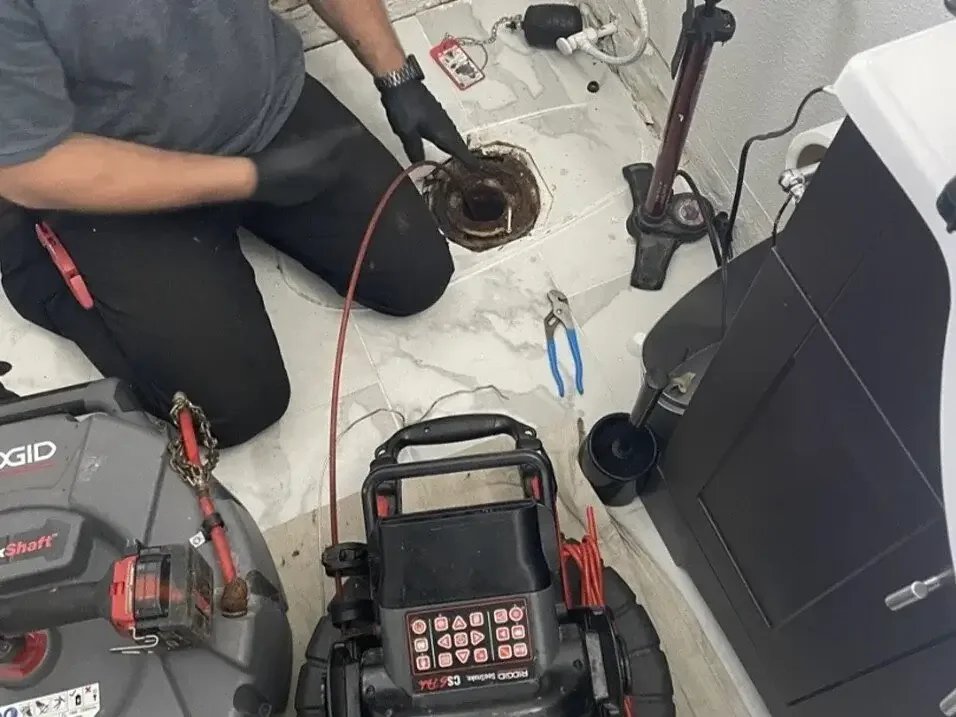
A camera inspection creates a record of what is happening inside the sewer line before a major repair begins.
The answer you can use right now
If sewage or dirty water has entered your basement, call your insurer or broker promptly and ask whether you have sewer backup coverage. Ask for the coverage limit and deductible. Take photos and short videos before cleanup changes the scene, as long as it is safe to do so. Stop running water if using fixtures is making the backup worse.
If a camera finds that your underground sewer line is cracked, root filled, or collapsed, ask a separate question: do I have service line coverage for the homeowner owned sewer pipe? Do not assume that sewer backup coverage pays to repair the failed pipe. It often deals with the resulting damage in the home. Service line coverage is the endorsement that may address an underground line failure, subject to the policy's wording and limits.[2] [3]
Those are the two calls. Make them separately. Write down the answer to each.
Three problems that get lumped together as "a sewer issue"
The phrase "sewer problem" is too broad to be useful when money is on the line. A claims adjuster, an insurer, and a drain contractor may all use it, but they may be talking about different parts of the loss.
| What happened |
What the homeowner is usually worried about |
Coverage to ask about |
| Sewage or dirty water came up through a floor drain, toilet, sink, or sump system |
Cleanup, damaged flooring, drywall, contents, and professional restoration |
Sewer backup endorsement, sometimes called water backup coverage |
| A camera shows a cracked, corroded, root invaded, or collapsed underground sewer pipe |
Excavation, trenchless repair, pipe lining, replacement, and restoration of the yard or driveway |
Service line coverage or a similar optional endorsement |
| Heavy rain, city sewer conditions, weeping tiles, or sump pump issues are part of the story |
Whether the problem can be prevented next time and whether municipal assistance exists |
City grant eligibility, backwater valve or sump work, plus the insurance policy's water endorsements |
These categories can overlap. A root blockage in a clay pipe may cause wastewater to back up into a finished basement. You may have a restoration claim for the basement and a separate dispute or coverage question about the old pipe. That is why the camera video and the claim file both matter.
What sewer backup coverage usually deals with
Sewer backup coverage is about the damage caused when water or sewage comes back into the home through a drain or related system. Ontario insurance brokers commonly describe it as optional coverage for backup or discharge from a sewer, septic system, storm drain, or sump related equipment. The actual scope changes by insurer and policy.[2]
That can mean the contaminated flooring in the basement, drywall that must be removed, damaged contents, cleanup, and drying. Those are serious losses. They are also different from the cost of putting a new sewer pipe in the ground.
Before you assume anything, ask your insurer these questions in writing or by email:
- Do I have sewer backup coverage on this policy?
- What is the coverage limit and deductible for this loss?
- Does the wording cover a backup caused by a blockage on my private sewer line?
- Does the policy pay for cleanup and damaged contents only, or does it also address the failed pipe?
- Do you need to inspect the property or approve a restoration contractor before work starts?
The Financial Services Regulatory Authority of Ontario tells consumers to ask whether their policy covers sewer backup, the amount of coverage, the deductible, and which exclusions apply.[4] That is not small print trivia. It is the difference between a clear next step and a very expensive surprise.
What service line coverage may cover
Service line coverage is the part many homeowners have never heard of until a camera finds a broken pipe under the lawn.
It is an optional add on offered by some insurers. It may cover damage to or failure of homeowner owned underground water, sewer, electrical, or communications lines. CAA South Central Ontario, for example, lists collapse, corrosion, deterioration, freezing, and defects among the causes addressed by its service line wording, subject to its own limits, deductible, terms, and exclusions.[3] Your policy may be narrower, broader, or may not include this endorsement at all.
That last sentence deserves to be read twice. A website from another insurer does not tell you what your policy covers. A neighbour's successful claim does not tell you what your policy covers. Only your policy and your insurer's claim decision can do that.
Still, service line coverage is worth asking about if you own an older home in London. It may be relevant when a sewer camera inspection finds a failure in the line running from the home toward the municipal main. It may also address some reasonable excavation related work or outside property damage, depending on the endorsement. Ask the adjuster for the exact clause and ask whether a camera video, contractor report, or estimate is needed before you approve repair.
Does insurance cover a collapsed sewer pipe?
Sometimes, but "collapsed" is not a magic word that unlocks a claim.
An insurer will want to know why the pipe failed. Was there sudden external damage? Was the pipe slowly deteriorating? Is the claim about water damage inside the home, the failed line itself, or both? Does the homeowner have a service line endorsement? Does the policy exclude a particular cause or require a certain form of evidence?
The uncomfortable part is that old clay pipe, root intrusion, and slow deterioration are common in established London neighbourhoods. A pipe can look fine from the surface while joints separate underground and roots work their way in year after year. When the pipe finally closes or collapses, the failure feels sudden because it is sudden in your life. The insurance decision may still turn on the policy wording and the underlying cause.
This is why you should not let anyone reduce the situation to "insurance will cover it" or "insurance never covers it." Both statements are too broad. The better question is: what do I have on my policy, what caused this failure, and which part of the loss is being claimed?
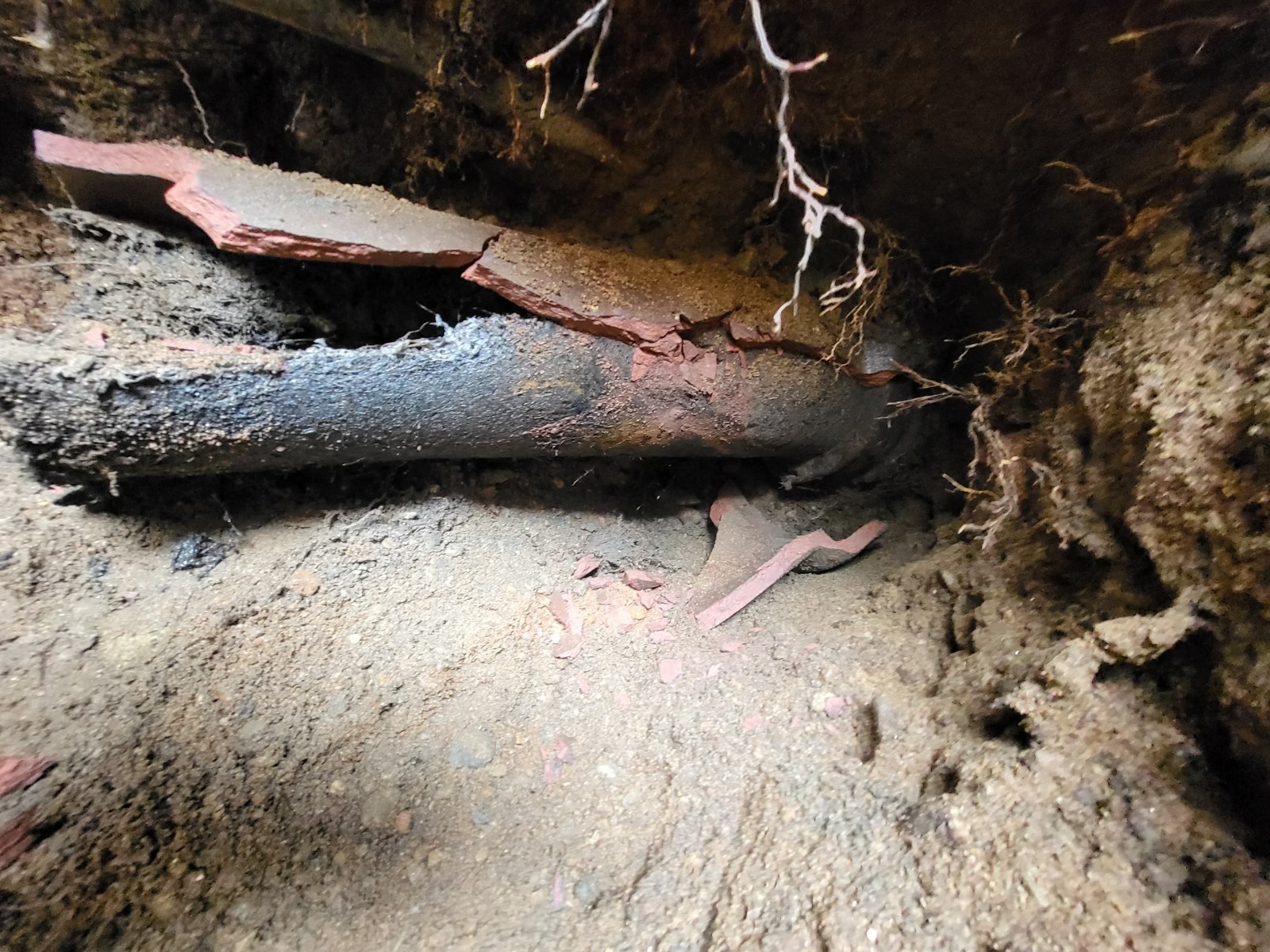
A collapsed clay pipe may require a physical repair even when a sewer backup claim is dealing with damage inside the house.
Why London homeowners need to understand the PDC
In London, the pipe connecting your home to the municipal main is usually called a Private Drain Connection, or PDC. The City says the homeowner is responsible for the PDC, including portions that can extend under the boulevard or other city property before the line reaches the municipal main.[5]
That responsibility does not tell you whether insurance will pay. It tells you why the repair may be yours to arrange and why you need to know exactly where the camera found the defect.
If the damaged section is on city property, the City has its own process and fee structure for PDC repair or replacement. That work can sit alongside a private contractor's work on your property. Read our full guide, Who Is Responsible for Your Sewer Line in London, Ontario?, before assuming the City will take over the repair.
For residents in older areas such as Old South, Old East Village, Old North, Wortley Village, Byron, and parts of Westmount, a camera inspection is often the only honest way to separate a local drain issue from a PDC problem. The same advice applies in nearby older communities such as St. Thomas, Strathroy, Dorchester, Komoka, and Woodstock.
The City grant can help prevent flooding. It is not a pipe repair policy.
The City of London's Basement Flooding Grant Program can help eligible homeowners fund prevention measures such as a backwater valve or weeping tile disconnection with redirection to a sump pump.[6] That is useful. It can reduce the chance of a future basement flood in the right situation.
It is not the same as insurance. It does not become a fund for replacing a collapsed private sewer pipe simply because the pipe contributed to a backup. It is also not a cheque to spend after the work is done. The City says eligible applicants must not have started the grant related construction before applying.[6]
That timing matters. If a backwater valve, sump pump, or weeping tile work is part of your plan, talk to the City before authorizing it. If a pipe has already failed, a sewer repair and installation assessment can identify the repair itself, while the City can explain whether a separate prevention measure may qualify for grant funding.
What to do in the first day after a sewer backup
People often make the right decisions in the wrong order because the basement is a mess and everyone wants it gone. The order below protects your safety, your records, and your options.
First, keep people and pets away from contaminated water. Do not run dishwashers, washing machines, showers, or toilets if the main line is backing up. If there is an electrical hazard, leave the area and get professional help.
Next, report the loss to your insurer or broker. Ask for a claim number. Ask whether they want to send an adjuster, which emergency mitigation steps they approve, and whether they have a preferred restoration process. You may need immediate help to stop ongoing damage, but document the condition first where it is safe. Photos of the floor drain, the water line on a wall, damaged contents, and the surrounding area are useful. Short video is useful too.
Then get the sewer line assessed. A camera record can show roots, a broken joint, an offset, a belly, a blockage, or a collapse. Ask for the footage or a written report that states the approximate location of the problem. This is not just for a contractor's quote. It helps you understand whether the issue is inside the home, on your PDC, near city property, or unrelated to the municipal system.
Finally, keep every document. Save the claim number, camera report, photos, invoices, written estimates, email messages, and a simple note of who said what and when. You do not need to turn your kitchen table into a legal office. You do need a folder that prevents confusion three weeks later.
The camera video can change the conversation
Insurance does not repair a sewer line. Contractors do. But insurance questions and repair decisions often meet at the camera video.
If the footage shows a pipe that is root invaded but still passable, you may be comparing drain cleaning, a spot repair, and trenchless pipe lining. If it shows a collapse, severe offset, or a low spot that holds water, you may be comparing excavation, replacement, or a hybrid repair. Our guide to sewer lining versus replacement in London explains why the camera should decide the repair method, not a sales pitch.
That distinction also stops a common argument before it begins. A restoration company may be dealing with the damaged basement. A drain contractor may be dealing with the pipe. An adjuster may be evaluating the policy. Each person has a different job. Get the facts from each one, then keep the documents together.
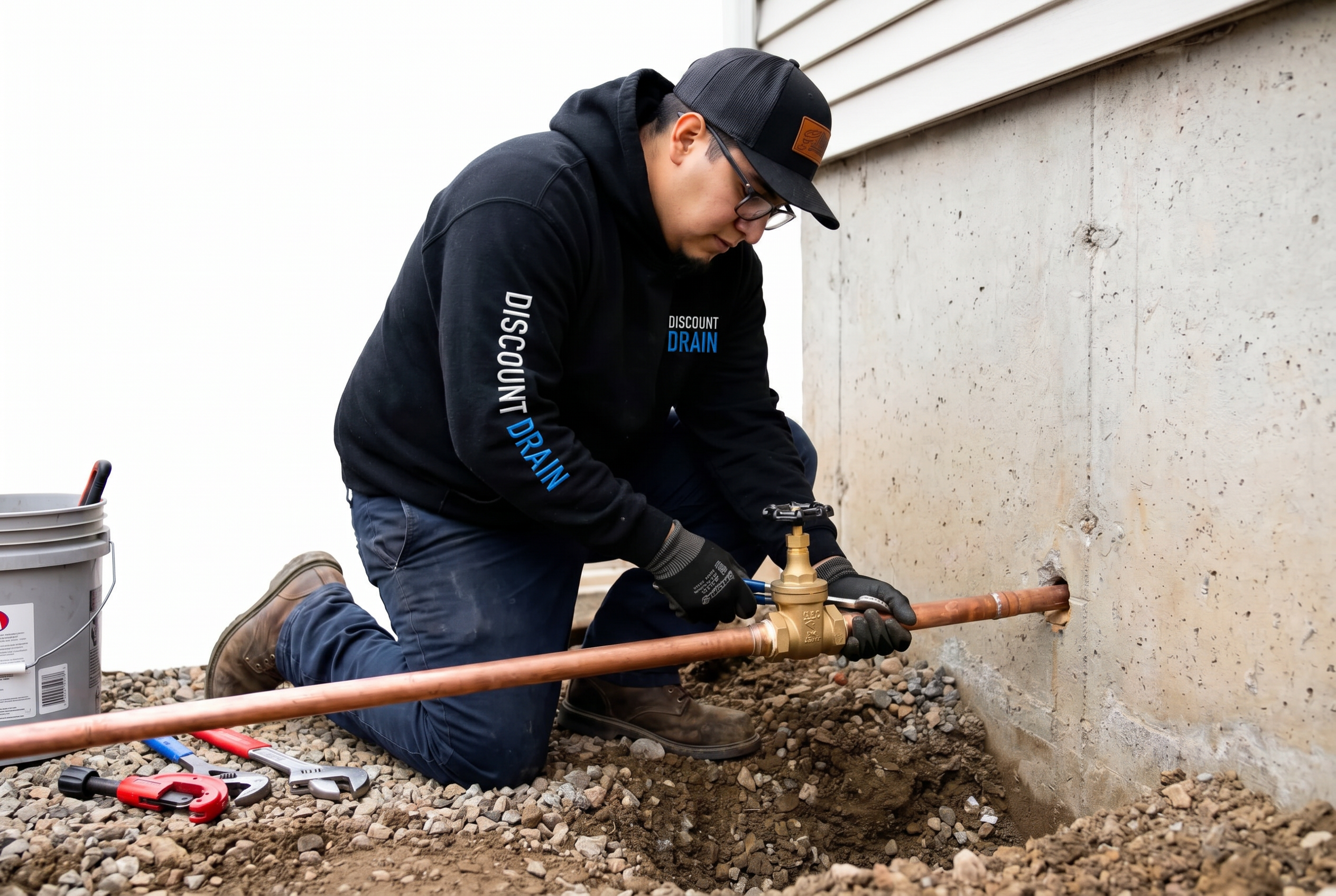
The right repair depends on what the camera shows. A lining, an excavation, and a cleanup claim solve different parts of the same difficult day.
Should you file an insurance claim for a sewer backup?
File promptly if wastewater has entered the home or you reasonably believe there may be covered damage. Your insurer can tell you what information it needs and whether it will inspect the loss. Waiting because you are unsure is rarely helpful.
Whether you proceed with a claim after learning the deductible and limit is a more personal decision. A small cleanup bill below your deductible is different from widespread basement contamination. It is also different from a large pipe repair that is not covered under your current policy. Your insurer or broker can explain the policy. A drain contractor can explain what failed and what it will take to repair it. Neither should pretend to be the other.
If you are dealing with active sewage backup now, read what to do in the first 24 hours after a sewer backup. If the camera has already found a collapse, read what to do when a sewer pipe collapses. Both guides focus on the practical steps that cannot wait for a policy debate.
A renewal checklist worth ten minutes of your time
Pull out your declarations page at renewal. Do not wait until water is moving across the basement floor.
Look for sewer backup or water backup coverage. Write down the limit and deductible. Ask whether you have service line coverage and whether it applies to the sewer line from your home to the municipal main. Ask what causes are excluded. Ask whether the policy has separate limits for cleanup, contents, landscaping, or outside property. If you bought the home recently, ask whether the previous owner ever had a backup and get a camera inspection if the property has older clay or cast iron piping.
This is not an argument for buying every endorsement offered to you. It is an argument for knowing what you already pay for. A middle class household can absorb a lot of ordinary repairs. A contaminated basement plus a failed private sewer connection can be something else entirely.
Frequently asked questions
Does home insurance cover sewer backup in London, Ontario?
It may, if your policy includes sewer backup or water backup coverage. Standard policies typically do not include it automatically, according to the Insurance Bureau of Canada.[1] Your insurer decides the claim based on the exact policy, limit, deductible, cause, and evidence.
Does sewer backup coverage pay to fix a collapsed sewer pipe?
Do not assume it does. Sewer backup coverage often addresses damage caused when sewage or water enters the home. A failed underground pipe may require service line coverage or another specific endorsement. Ask the insurer to identify the applicable wording before you authorize a major repair.
Does service line coverage include a private drain connection in London?
It may apply to a homeowner owned underground sewer line, but every policy is different. In London, the PDC responsibility can extend toward the municipal main. Show the insurer the camera report and ask whether the endorsement applies to the damaged section and the proposed repair.
Does the City of London pay for a collapsed sewer pipe?
The City has a process and fee structure for PDC work on city property, but the homeowner is generally responsible for the PDC. The Basement Flooding Grant Program supports eligible prevention measures such as backwater valves and weeping tile disconnection. It is not a general insurance program for collapsed private pipes.[5] [6]
Should I clean up the basement before calling insurance?
Call the insurer as soon as you can and ask for its instructions. Take photos and video before cleanup changes the scene if it is safe. You may need emergency mitigation to protect the home and occupants, but keep invoices and records for every step.
What if the camera shows tree roots in an old clay pipe?
Roots may be a maintenance issue, a repair issue, or part of the cause of a backup. The camera needs to show whether the pipe remains passable and whether cleaning, lining, a spot repair, or replacement makes sense. Read our guide to sewer line warning signs and book a camera inspection rather than guessing from one slow drain.
Sources
[1] Insurance Bureau of Canada: Water damage and flood protection
[2] Mitch Insurance: Ontario sewer backup insurance
[3] CAA South Central Ontario: What is service line coverage?
[4] Financial Services Regulatory Authority of Ontario: Helping you navigate property insurance
[5] City of London: Sewers and wastewater
[6] City of London: Basement Flooding Grant Program
Related reading: Who Is Responsible for Your Sewer Line in London, Ontario? | Sewer Lining vs. Sewer Replacement in London, Ontario | Sewer Backup: What to Do in the First 24 Hours