Multiple slow drains, gurgling toilets, sewage smells, and soggy yard patches are all warning signs. Here is what to look for and what to do next.
If you live in an older London neighbourhood, your sewer line is probably made of clay tile. Clay tile pipes were standard until the 1980s, and they were built to last decades. The problem is that decades have passed, and many of these pipes are now cracked, root-invaded, or partially collapsed. The tricky part is that most of the damage happens underground, out of sight, until something goes wrong inside the house.
Here are the warning signs that London Ontario homeowners report most often before calling for a sewer inspection.
Multiple slow drains at the same time
One slow drain is almost always a local clog, usually hair or grease buildup close to the drain opening. But when two or more drains in different rooms are slow at the same time, the problem is further down the line where everything connects. This is one of the most common early signs of a main sewer line issue.
Gurgling sounds from the toilet or drains
If you flush the toilet and hear gurgling from a nearby sink or tub, or if running the washing machine causes the toilet to bubble, air is being pushed back through the system. This happens when water cannot move freely through the pipe and displaces air as it goes. In London's older neighbourhoods like Old North, Old South, and Byron, this is often caused by root intrusion narrowing the pipe.
Sewage smell inside the house
Sewer gas has a very distinct smell. If you notice it inside your home and you have ruled out a dry P-trap (the curved pipe under sinks that holds water to block odours), there may be a crack somewhere in the line. Sewer gas contains hydrogen sulphide, which is not something to ignore.
Sewage backing up into the basement floor drain
This is the one that sends people to Google at midnight. When the main sewer line is blocked or collapsed, wastewater has nowhere to go except back up through the lowest drain in the house, which is usually the basement floor drain. If this has happened to you, the line needs to be inspected immediately.
Wet or soggy patches in the yard
A consistently soggy area in your yard that does not dry out, especially one with a faint sewage smell, is a strong sign of a leaking sewer line underground. In London, this tends to show up in spring when frost heave shifts the soil and puts stress on older clay pipes.
Unusually green or lush grass in one spot
This one surprises people. If one section of your lawn is noticeably greener than the rest, it may be getting fertilized by a slow sewer leak below. It looks healthy, but it is not a good sign.
The toilet gurgles when you run the sink
This is a specific symptom that points to a partial blockage in the main line. Water draining from the sink creates pressure in the pipe, and that pressure pushes air back up through the toilet. If you see the toilet water move or hear gurgling when you run a tap, have the main line checked.
What to do next
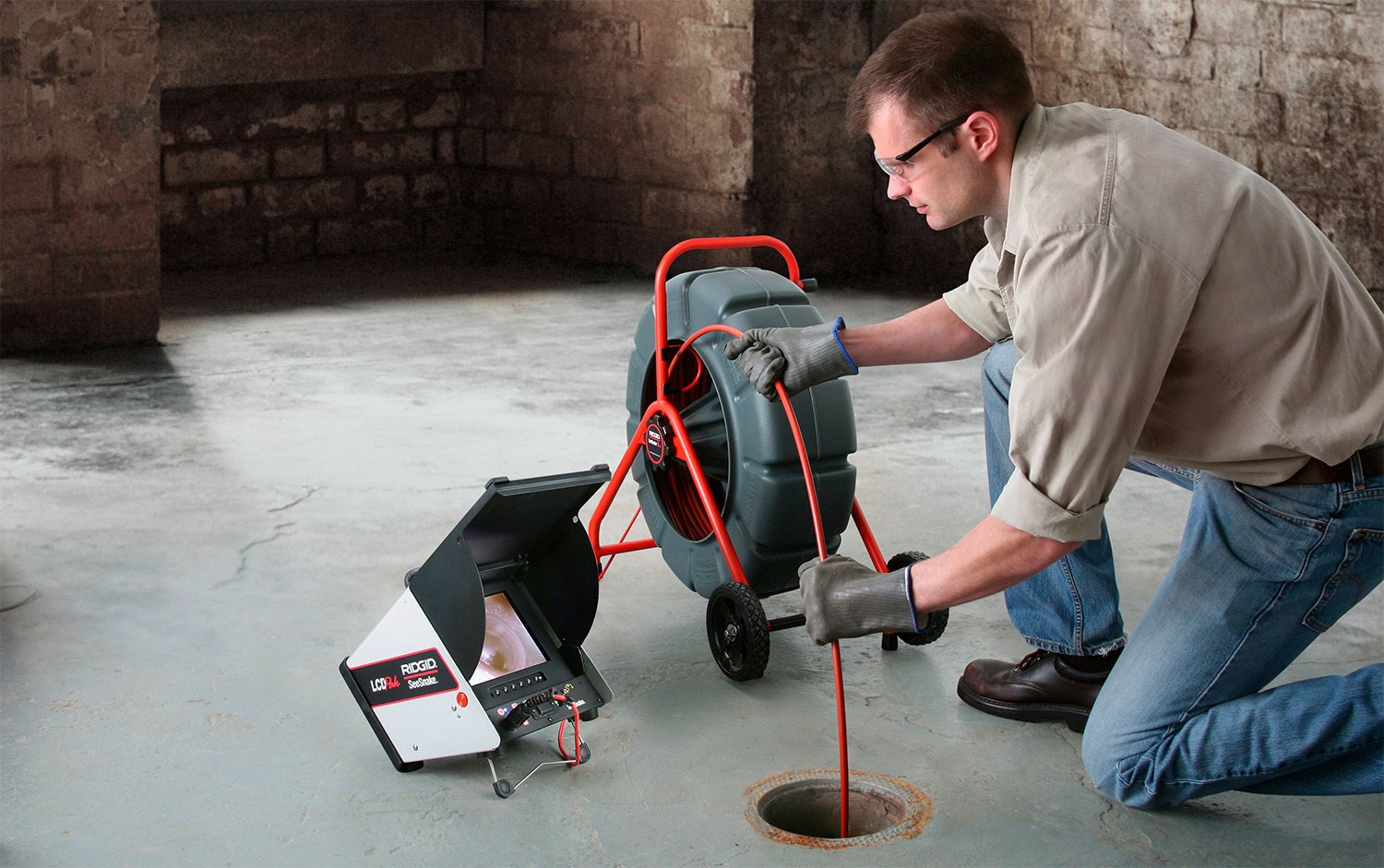
If you are seeing more than one of these signs, a sewer camera inspection is the fastest way to find out what is actually happening. At Discount Drain, a free video camera inspection is available at no charge. You watch the footage with us on the spot, so you know exactly what you are dealing with before any work begins.
Most sewer problems in older London homes are fixable without digging up the yard. Trenchless repair methods can line or replace the pipe from the inside, which means your driveway and landscaping stay intact.
One thing worth knowing: if the blockage is past the property line and into the city's portion of the pipe, the City of London has a flat-rate Private Drain Connection renewal program. As of 2026, that fee is $7,250, and it can be spread across your property taxes over 10 years. Your plumber can help you determine which portion of the line is your responsibility and which belongs to the city.
Call us at 519-451-8342 if you are seeing any of these signs. We are available 24/7 for emergencies.